.webp)
Best AI Recruiting Tools 2026
Top AI recruiting tools for frontline hiring. Compare features, use cases, and find the best fit for high-volume teams.
Recruiting has shifted from being recruiter-led and manual to automation-led and system-driven. At the same time, the recruiting environment has grown more complex. Employers now hire across multiple states with different wage laws, overtime rules, and background-check requirements.
Leading organizations use AI beyond simple sourcing to streamline numerous HR processes. This includes automating onboarding, validating identity and work eligibility, ensuring real-time compliance, matching shifts, and managing high-volume workflows efficiently at scale.
According to McKinsey, organizations that automate core HR and talent workflows can reduce hiring cycle times by 30-40%, a gap that has become decisive in competitive labor markets.
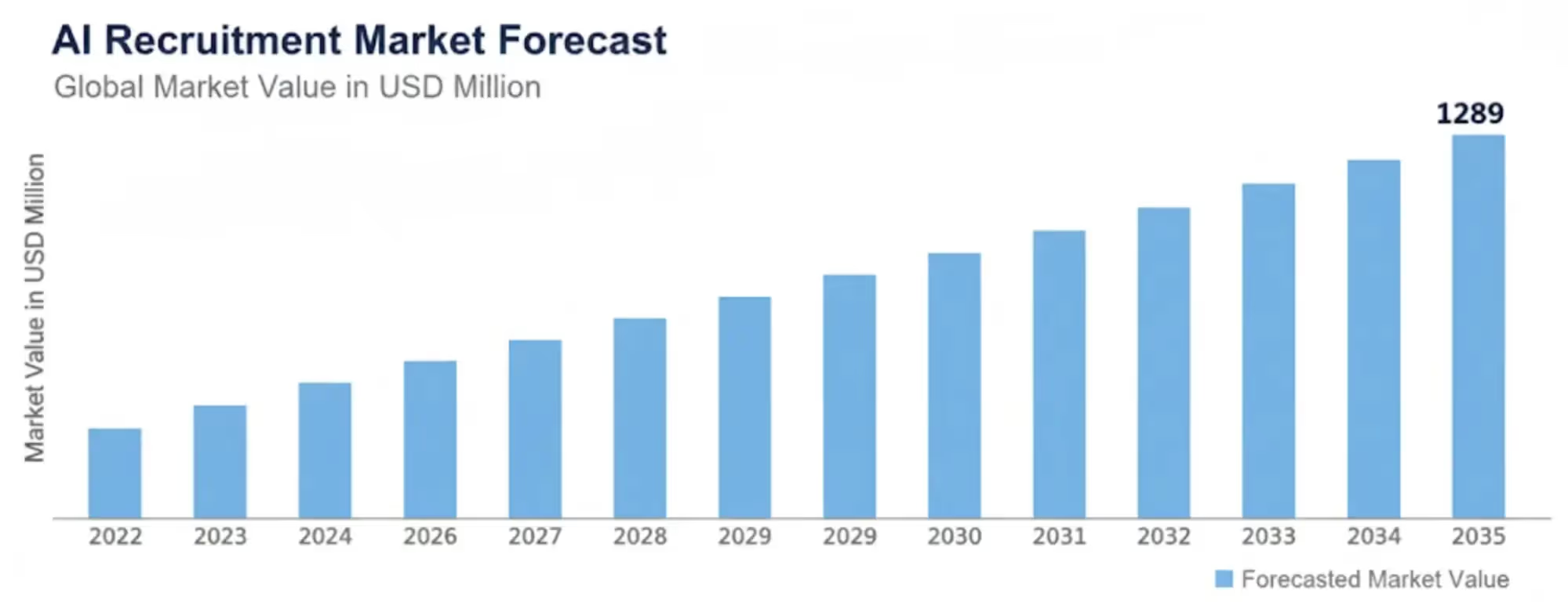
These driving factors have led to a significant surge in the AI recruitment market, with projections indicating an increase from $660.23 million in 2025 to $1289.13 million by 2035, according to MRFR analysis.
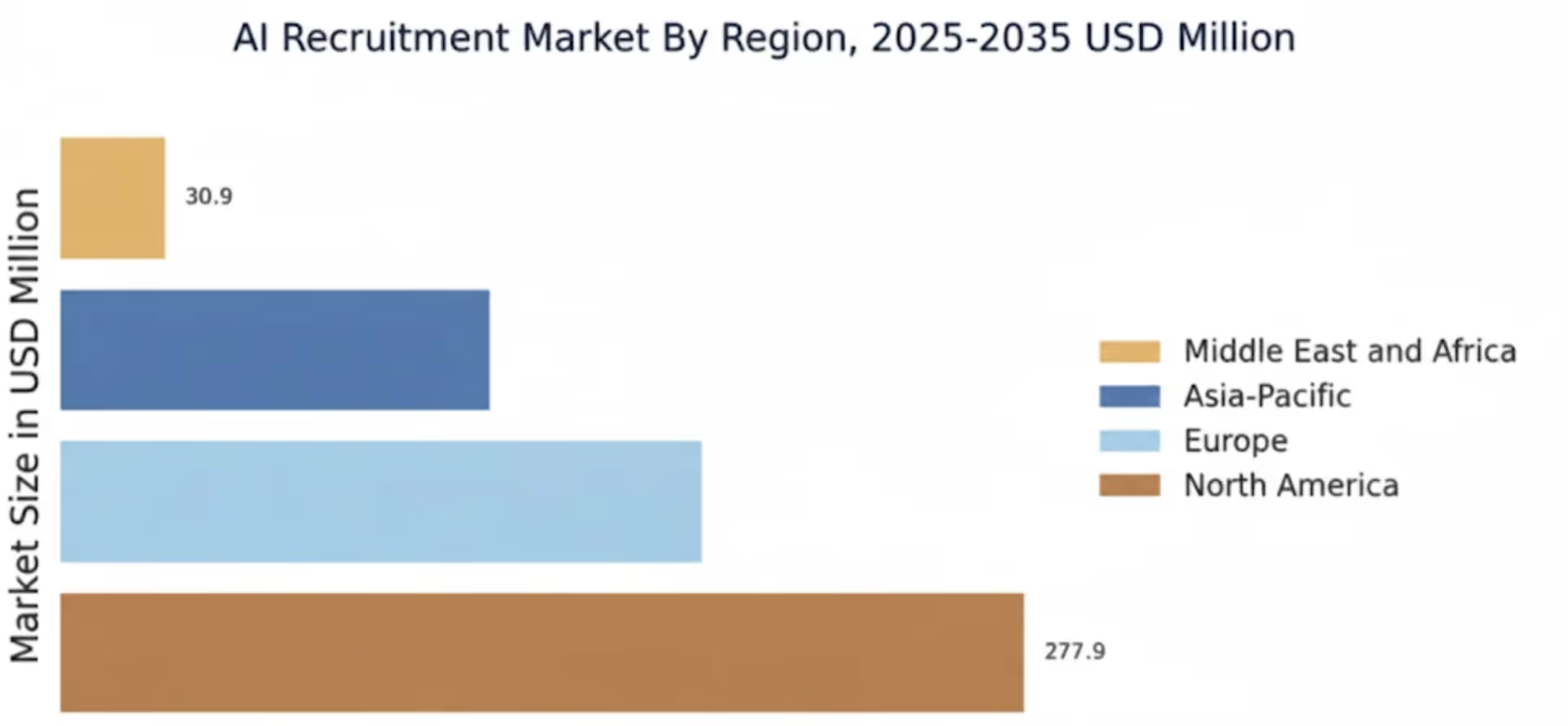
North America remains the dominant market for these solutions, underscoring the region's high demand for advanced and innovative hiring technologies. Regions like the Asia-Pacific and the Middle East are experiencing rapid growth and increased investment.
The increasing importance of AI in recruitment is evident in its growth, and the widespread use of this technology is anticipated to continue expanding significantly in the near future.
This guide breaks down the top AI recruiting tools that actually work for frontline hiring, with a clear focus on speed, accessibility, compliance, and real-world outcomes.
1. Firstwork
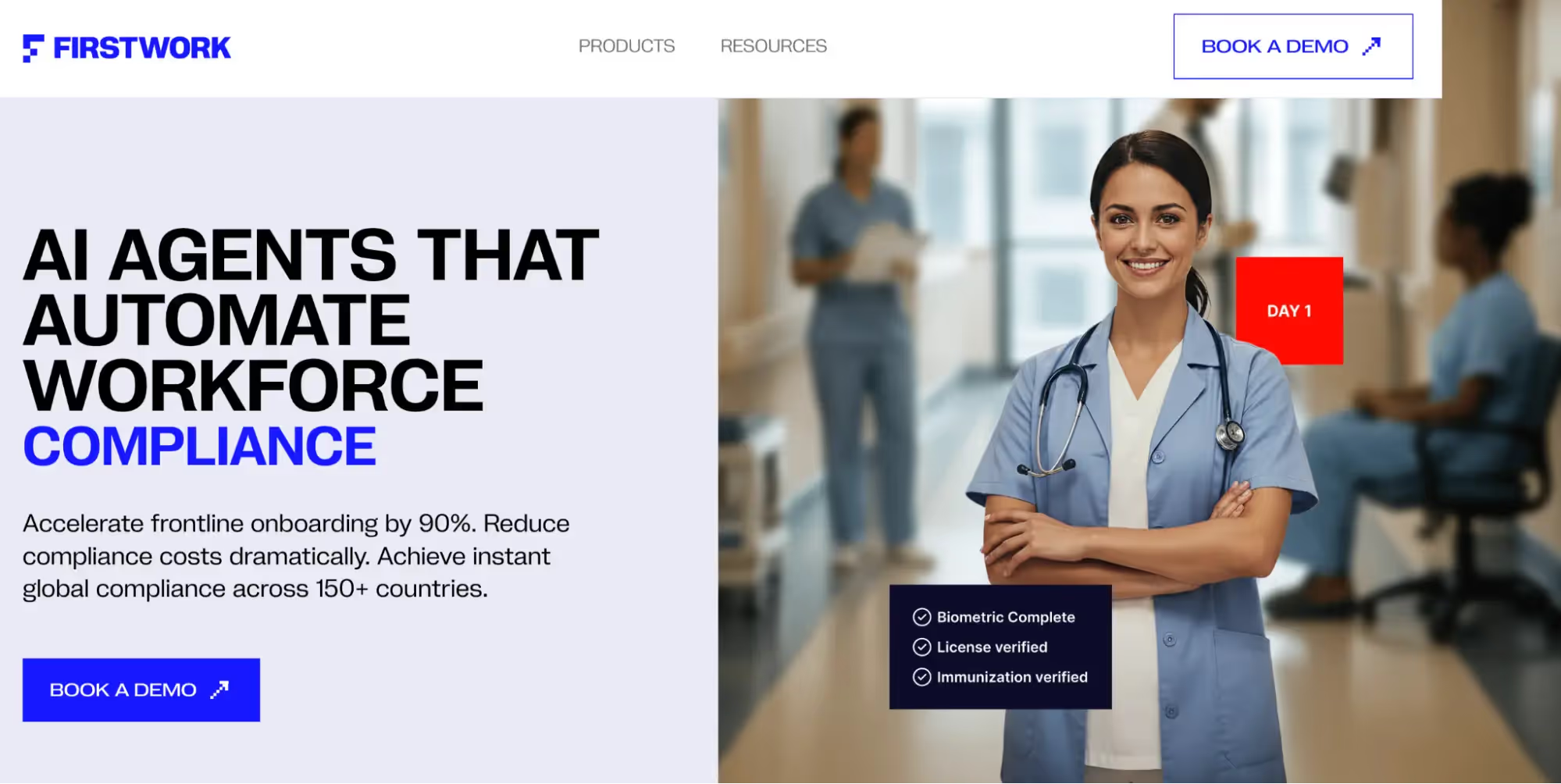
Firstwork is a next-generation HR platform explicitly designed for companies with dynamic workforce needs. It accelerates every stage of your workforce lifecycle from hiring, training, payroll, to analytics, all under one AI-powered roof.
Unlike traditional ATS platforms that optimize for resumes and recruiters, Firstwork optimizes for speed, compliance, and candidate completion in high-volume environments. The platform automates hiring, onboarding, and verification workflows that vary by role, location, and regulation without requiring engineering support.
Key Features
- Conversational AI screening: Replaces forms with guided, mobile-first conversations that adapt based on role requirements.
- Resume-free applications: Remove a central friction point for hourly workers, increasing application completion rates.
- Real-time document validation: Instantly flags invalid, expired, or unreadable documents, preventing downstream delays.
- No-code workflow orchestration: Hiring teams configure different flows for nurses, drivers, warehouse staff, or seasonal workers without engineering.
- Automated onboarding and re-verification: Handles credentials, compliance, and re-badging at scale.
Why It Stands Out
In real deployments, companies reduced onboarding cycles from days to minutes, cut candidate drop-off by more than 70%, and eliminated heavy manual reviews. It delivers measurable ROI quickly because it targets the operational bottlenecks where frontline hiring actually breaks.
Check out the case study: How a staffing platform reduced its onboarding timeline from 10 days to 7 minutes using AI.
Best Suited For
Enterprises and platforms are hiring frontline workers at scale across retail, logistics, healthcare, hospitality, and staffing. Less relevant for organizations hiring exclusively white-collar or low-volume roles.
2. Paradox
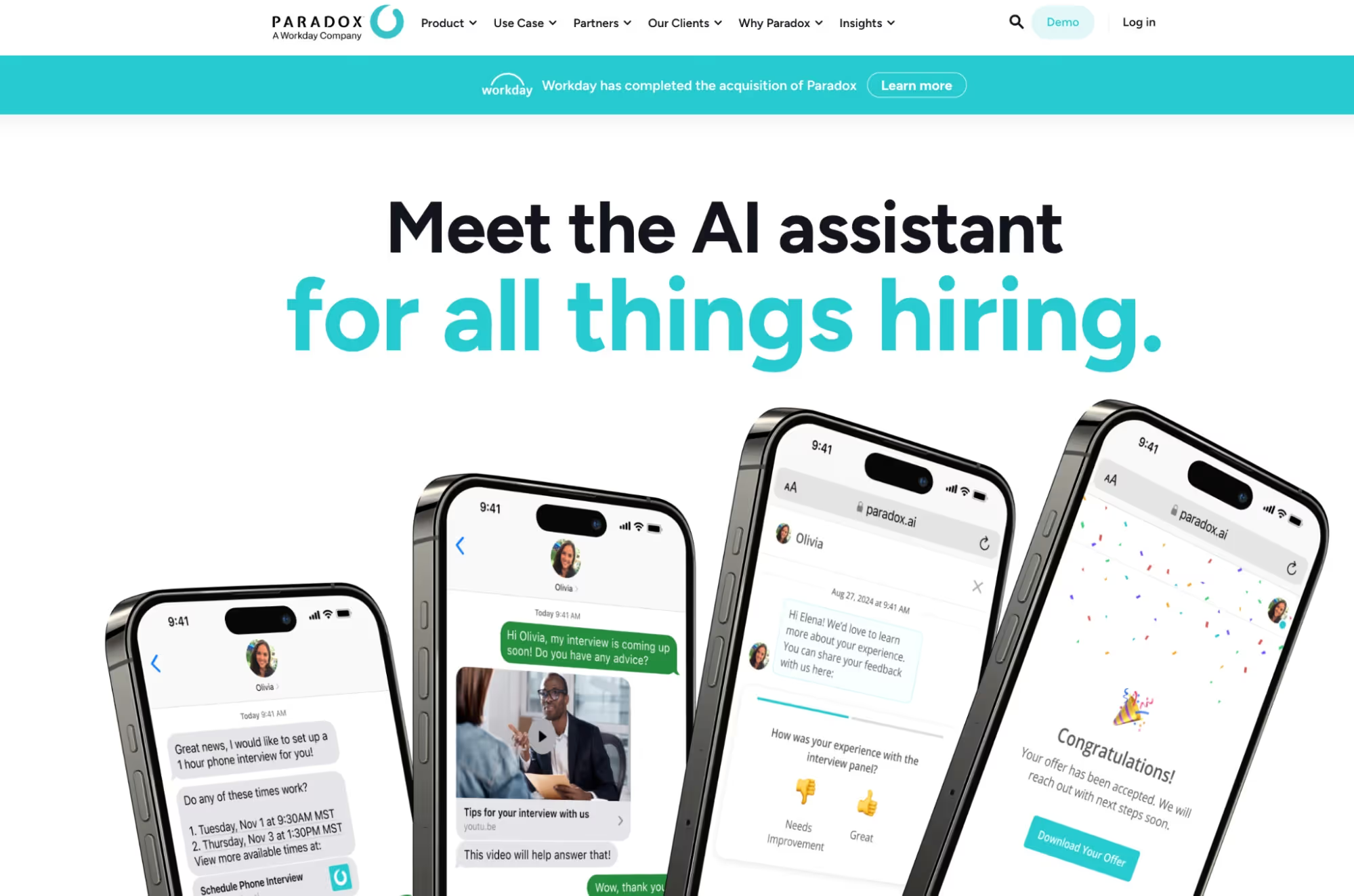
Paradox is a conversational AI platform designed to automate early-stage hiring interactions, primarily screening and scheduling for high-volume, hourly roles. It replaces delayed recruiter responses with instant, chat-based engagement, which is critical in frontline hiring where candidates often accept the first offer they hear back from.
Key Features
- Chat-based applications: Candidates apply and answer screening questions via SMS or web chat rather than via forms.
- Automated screening logic: Filters candidates based on predefined criteria without recruiter involvement.
- Real-time interview scheduling: Connects directly to calendars to eliminate back-and-forth coordination.
- Multi-channel communication: Supports SMS and web-based conversations where frontline candidates already are.
- ATS integrations: Pushes candidate data into existing ATS systems.
Why It Stands Out
Speed is Paradox’s core strength. Research consistently shows that frontline candidates are far more likely to drop out if response times exceed 24-48 hours. Paradox reduces that gap to minutes, which directly improves interview show rates and hiring velocity.
Best Suited For
Large enterprises with standardized hourly roles and existing ATS infrastructure. Limited beyond pre-hire stages, onboarding, compliance, and credentialing typically require separate tools.
3. Hirevue
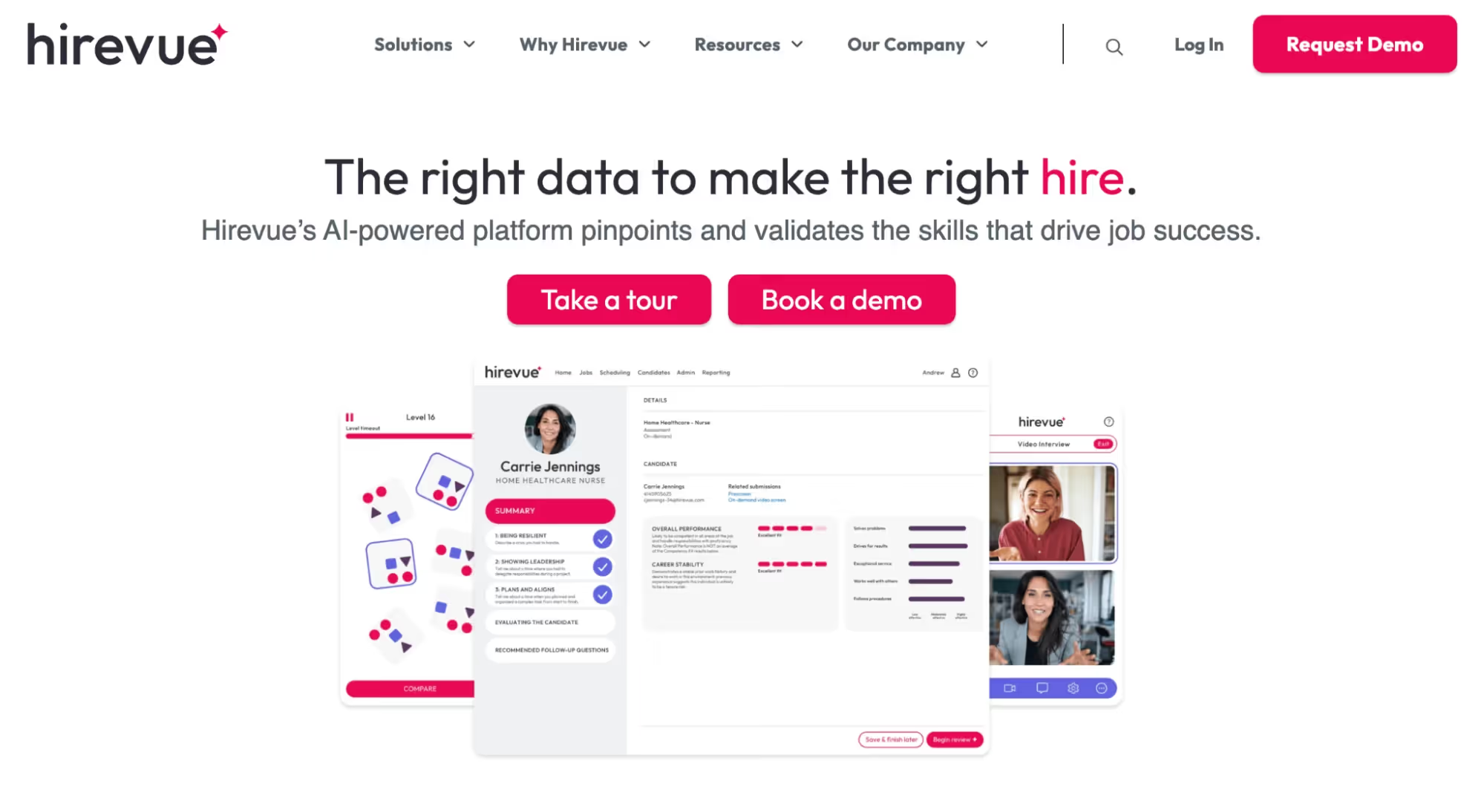
Hirevue is an enterprise hiring platform focused on structured video interviews and AI-powered assessments. It was built to help organizations evaluate large candidate pools consistently when recruiter capacity is limited.
Key Features
- On-demand video interviews: Candidates record their responses at their own pace, reducing scheduling friction.
- Structured interview frameworks: Ensure consistent evaluation across locations and hiring managers.
- AI-based assessments: Analyze responses for job-relevant competencies.
- Hiring analytics: Tracks funnel performance and interviewer effectiveness.
- ATS integrations: Fits into enterprise hiring ecosystems.
Why It Stands Out
Hirevue helps enterprises standardize hiring decisions across scale, which is valuable in regulated or brand-sensitive environments. It reduces interviewer load and shortens early-stage evaluation timelines.
Best Suited For
Enterprises hiring at scale with formal interview processes. Less effective for roles where speed, minimal friction, or resume-free hiring is a priority.
4. Humanly
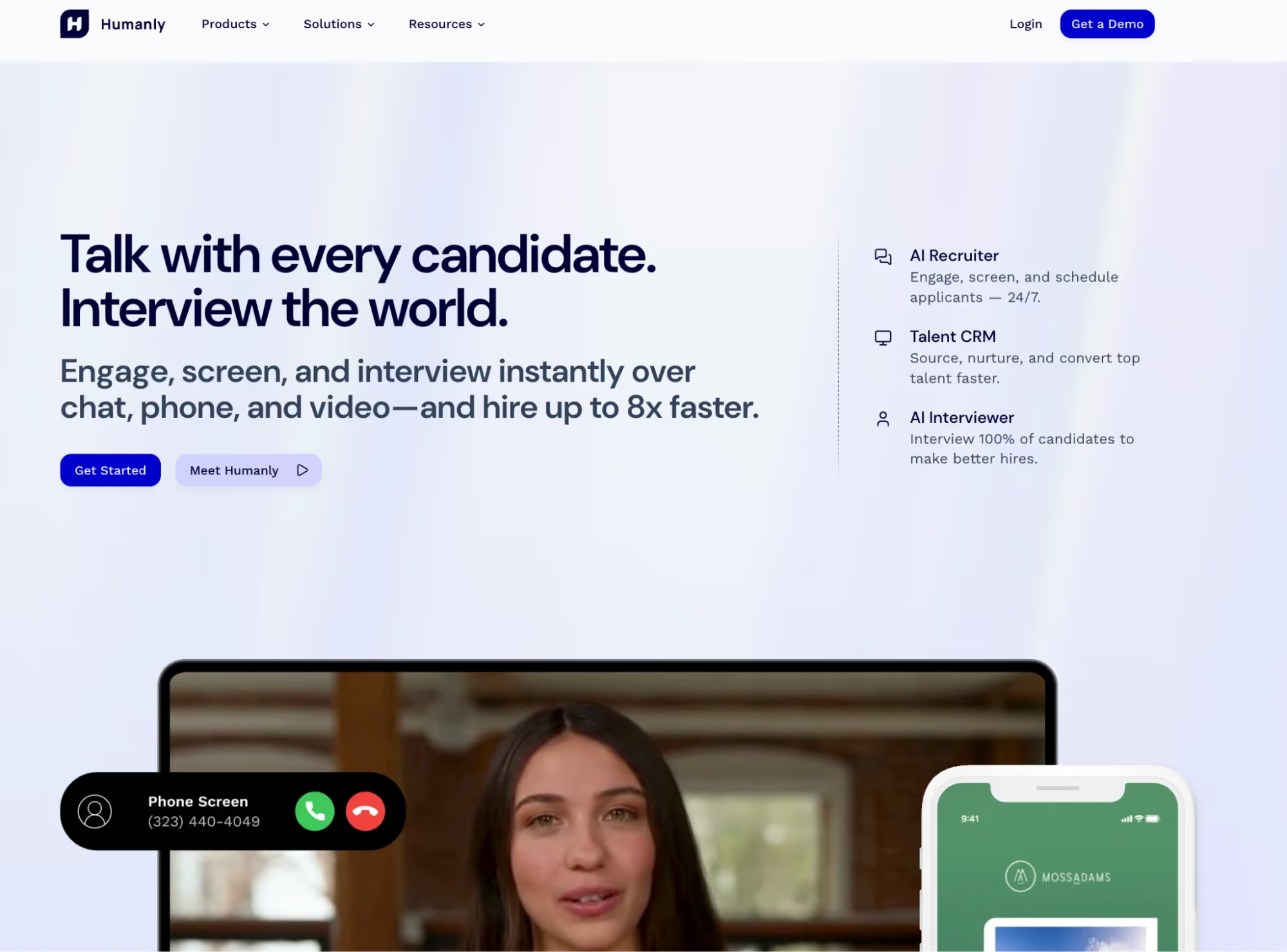
Humanly provides conversational AI that automates screening, scheduling, and candidate communication for hourly and frontline roles. It aims to keep candidates engaged while reducing recruiter workload.
Key Features
- Conversational screening: Guides candidates through role-specific questions.
- Automated scheduling: Coordinates interviews without recruiter intervention.
- Candidate engagement workflows: Sends timely updates and reminders.
- DEI-focused tools: Designed to reduce bias in early screening.
- ATS integrations: Works alongside existing systems.
Why It Stands Out
Humanly emphasizes responsiveness and candidate experience, which directly impacts completion and show rates in hourly hiring.
Best Suited For
Mid-market companies are hiring frontline workers with relatively standard requirements. Limited flexibility for highly complex, role-specific compliance workflows.
5. Workable
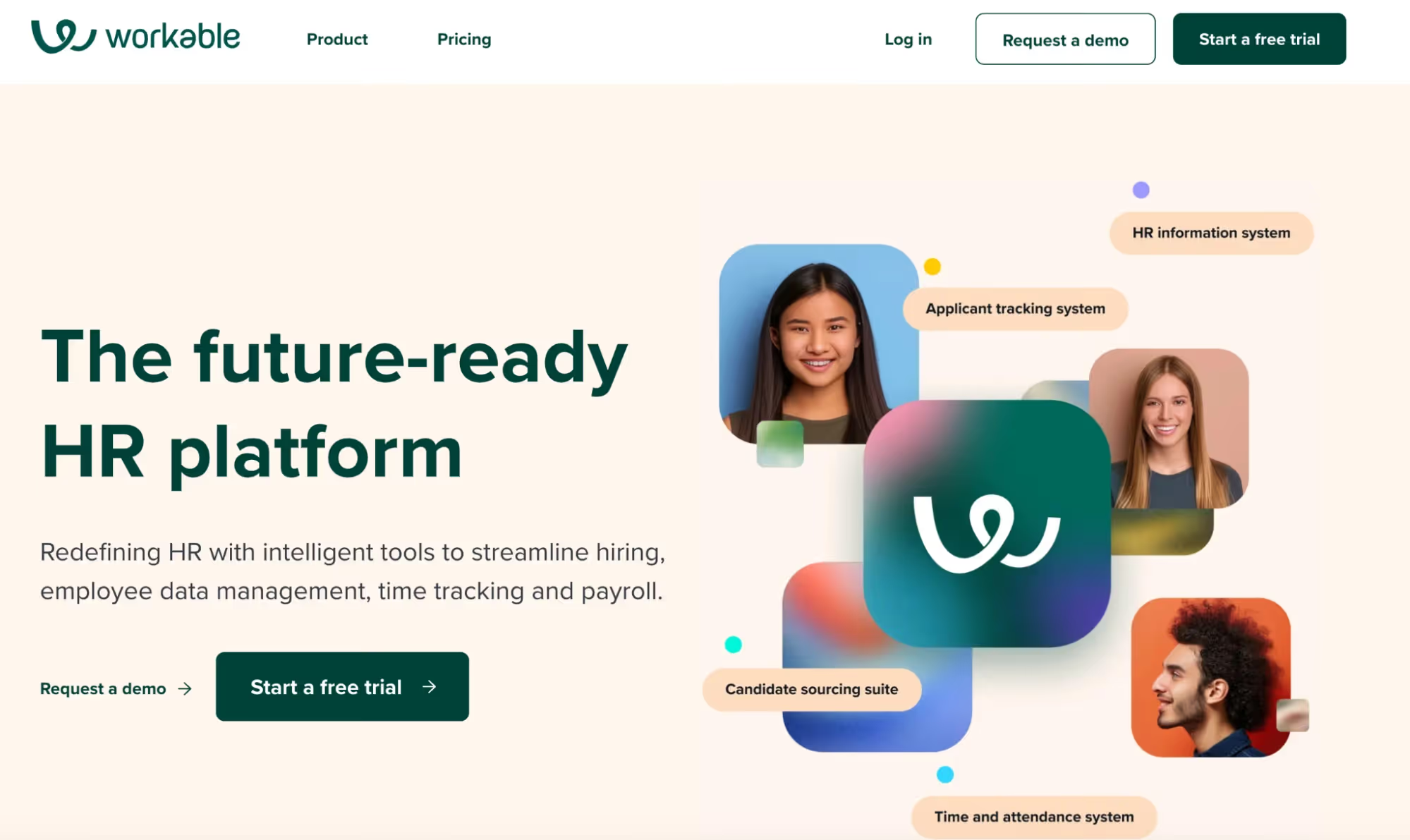
Workable is a broad ATS with AI features layered across sourcing, screening, and scheduling. It is designed to support a wide range of roles within a single system.
Key Features
- AI-assisted sourcing: Recommends candidates from internal and external databases.
- Resume screening: Automates early filtering for roles where resumes are common.
- Interview scheduling: Reduces coordination overhead.
- Job board distribution: Expands reach with minimal effort.
- Hiring analytics: Tracks pipeline performance.
Why It Stands Out
Workable offers a balanced, easy-to-deploy ATS that works across frontline and white-collar roles without heavy configuration.
Best Suited For
SMBs with mixed hiring needs. Less optimized for mobile-first, high-volume frontline hiring at enterprise scale.
6. Greenhouse
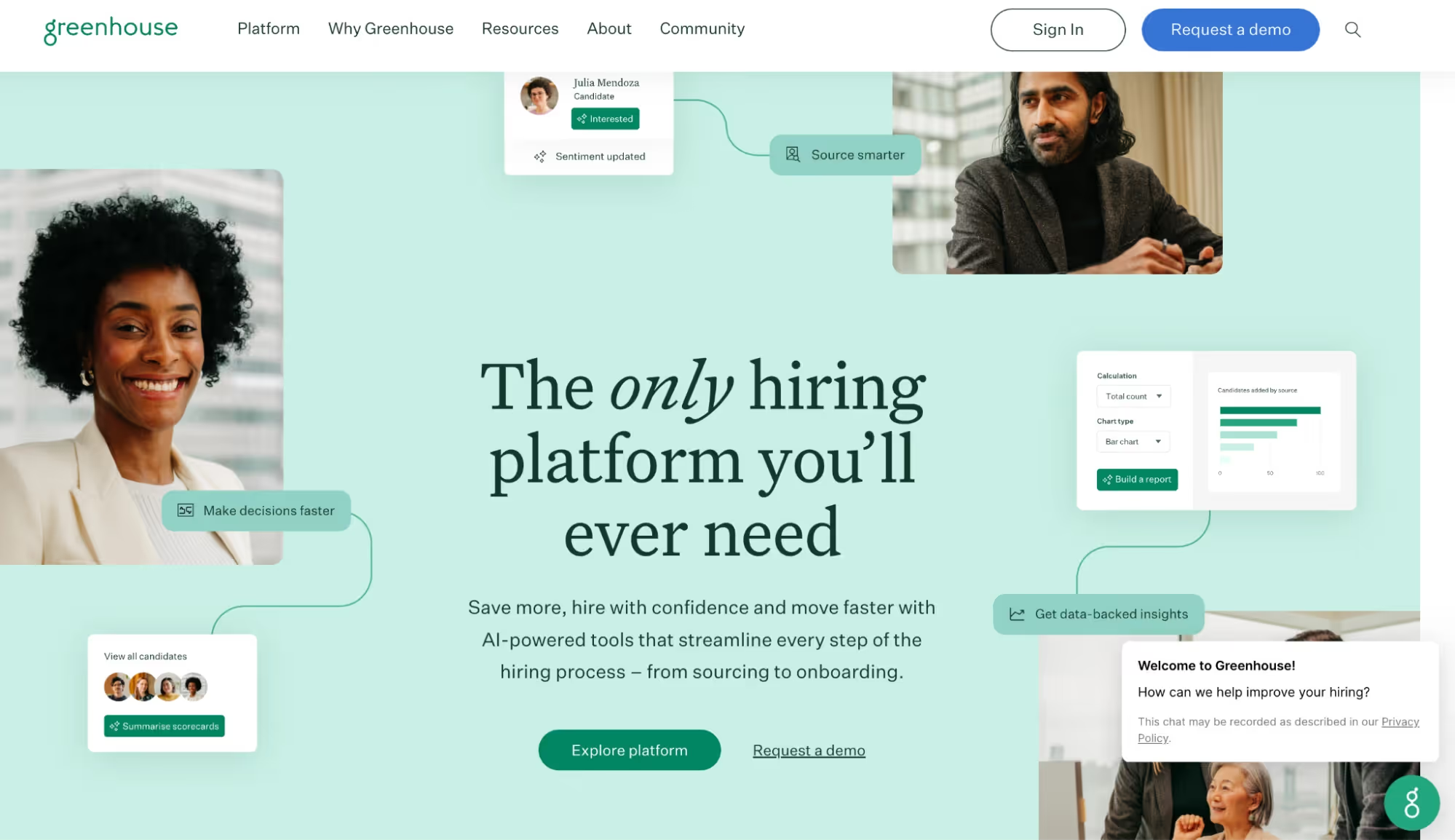
Greenhouse is a structured ATS focused on process consistency, compliance, and hiring analytics. Its AI capabilities support decision-making rather than replacing workflows.
Key Features
- Structured interview kits: Ensure consistent evaluation criteria.
- Workflow automation: Standardizes hiring stages across teams.
- Compliance support: Helps organizations meet audit and reporting needs.
- Advanced reporting: Enables data-driven hiring decisions.
- Extensive integrations: Fits into mature HR tech stacks.
Why It Stands Out
Greenhouse enforces rigor and repeatability, which is critical in large, regulated organizations.
Best Suited For
Enterprises with mature TA teams. Not designed for resume-free or highly transactional frontline hiring.
7. Eightfold
Eightfold is an AI talent intelligence platform that focuses on skills, potential, and long-term workforce planning rather than transactional hiring.
Key Features
- Skills-based matching: Moves beyond resumes to identify transferable skills.
- Talent intelligence analytics: Provides visibility into workforce capabilities.
- Internal mobility tools: Supports redeployment and retention.
- Diversity insights: Helps identify bias and gaps.
- Enterprise integrations: Works across large HR ecosystems.
Why It Stands Out
Eightfold is built for strategic talent optimization, not just filling open roles.
Best Suited For
Large enterprises are planning workforce transformation. Less practical for urgent, high-volume frontline hiring.
8. HireEZ
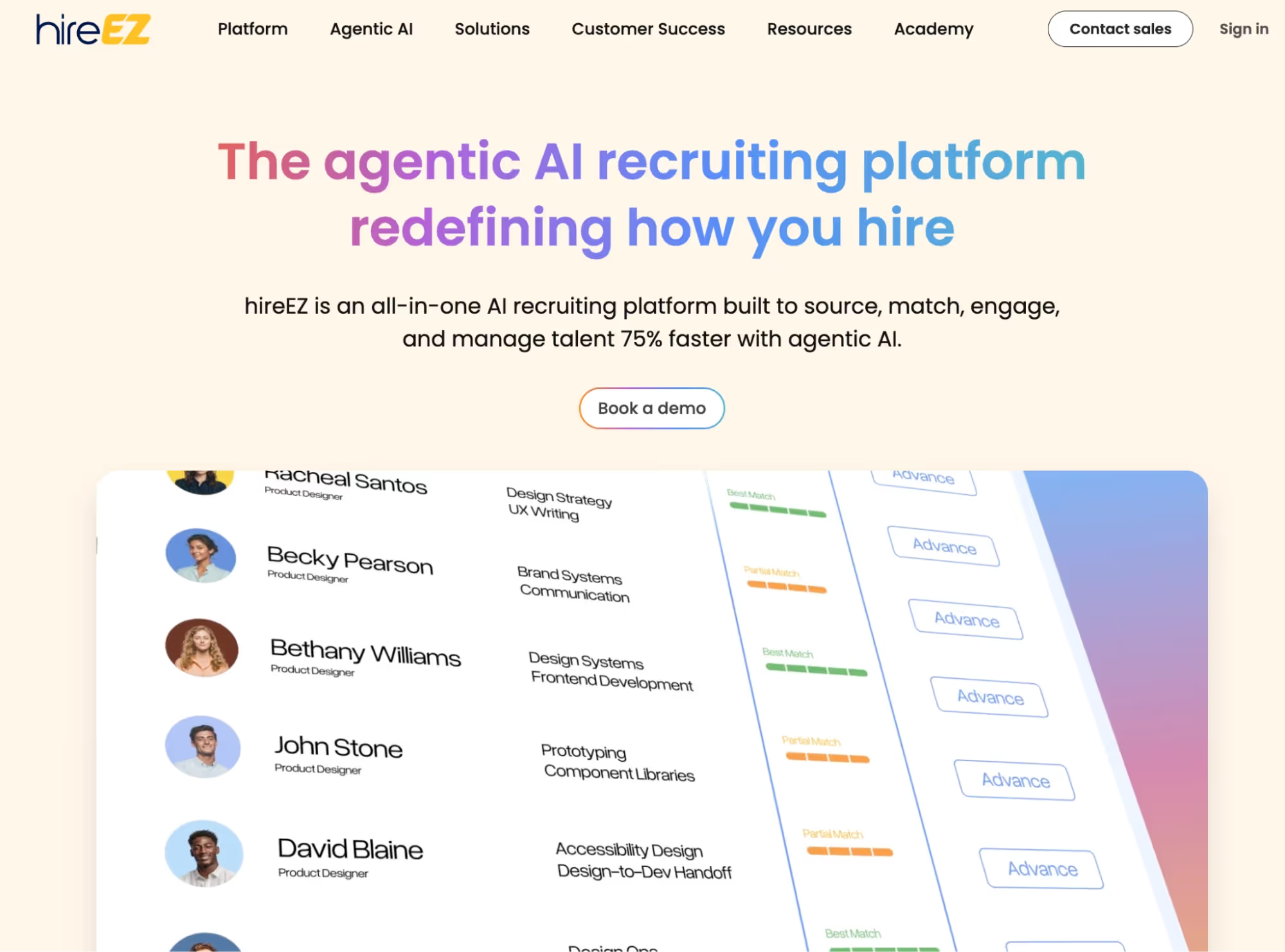
HireEZ is an AI-powered sourcing and engagement platform designed to help recruiters proactively find and engage candidates.
Key Features
- AI-driven sourcing: Identifies candidates across platforms.
- Candidate engagement tools: Supports outreach and follow-ups.
- Talent CRM: Manages long-term candidate relationships.
- DEI-focused filters: Supports inclusive sourcing strategies.
- ATS integrations: Complements existing hiring systems.
Why It Stands Out
HireEZ strengthens the top of the funnel by expanding and diversifying talent pools.
Best Suited For
These tools primarily serve outbound recruiting teams, with limited functionality extending beyond initial candidate sourcing and engagement.
9. Recooty
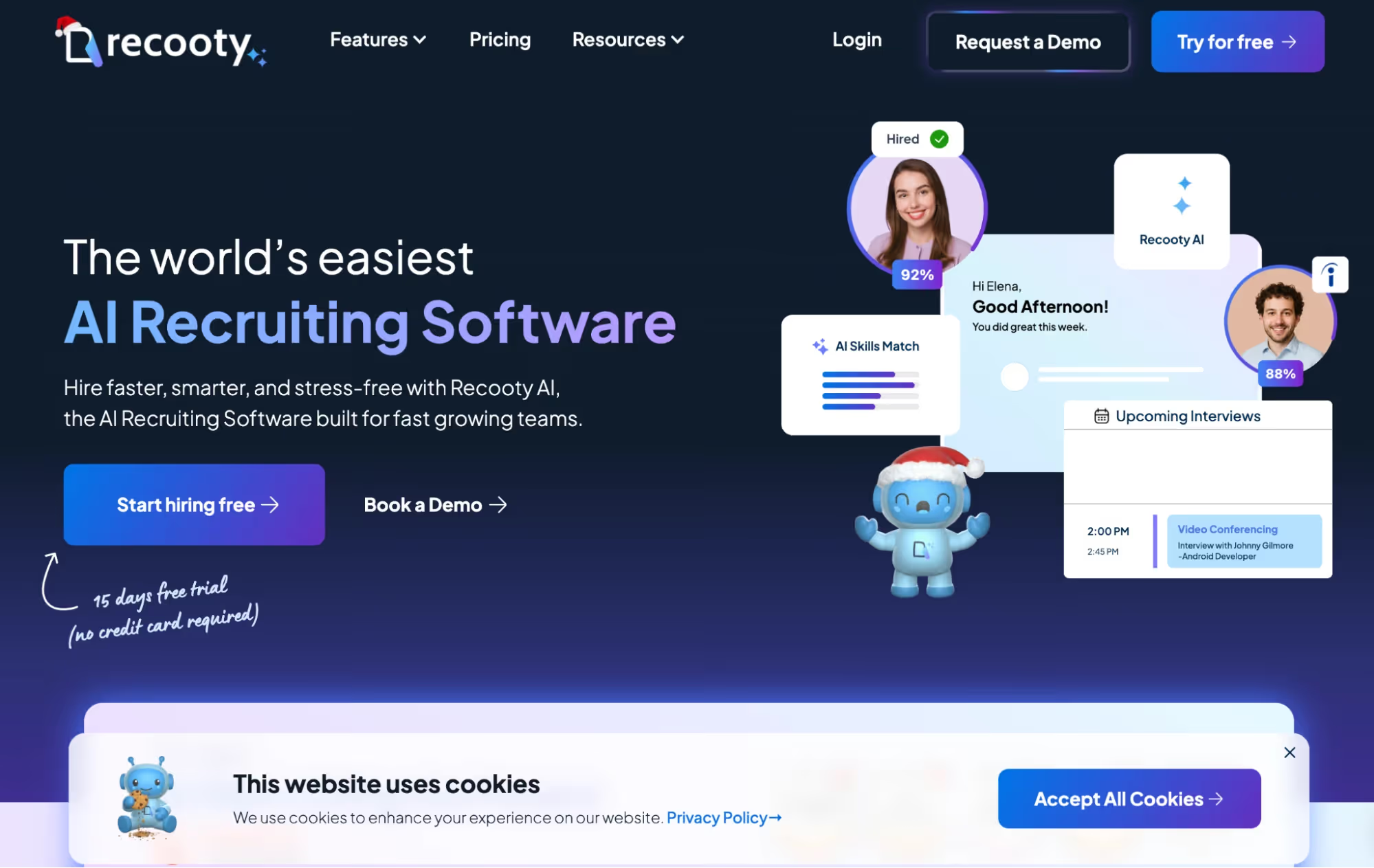
Recooty is a lightweight ATS built for simplicity and accessibility, with basic AI features to support small teams.
Key Features
- AI resume matching: Automates early candidate filtering.
- Multilingual support: Enables global hiring.
- Job board integrations: Simplifies distribution.
- Simple pipelines: Easy for hiring managers to use.
- Collaboration tools: Supports small teams.
Why It Stands Out
Recooty lowers the barrier to entry for companies adopting recruiting software for the first time.
Best Suited For
Small businesses with straightforward hiring needs. Not suitable for high-volume or compliance-heavy frontline hiring.
10. Manatal
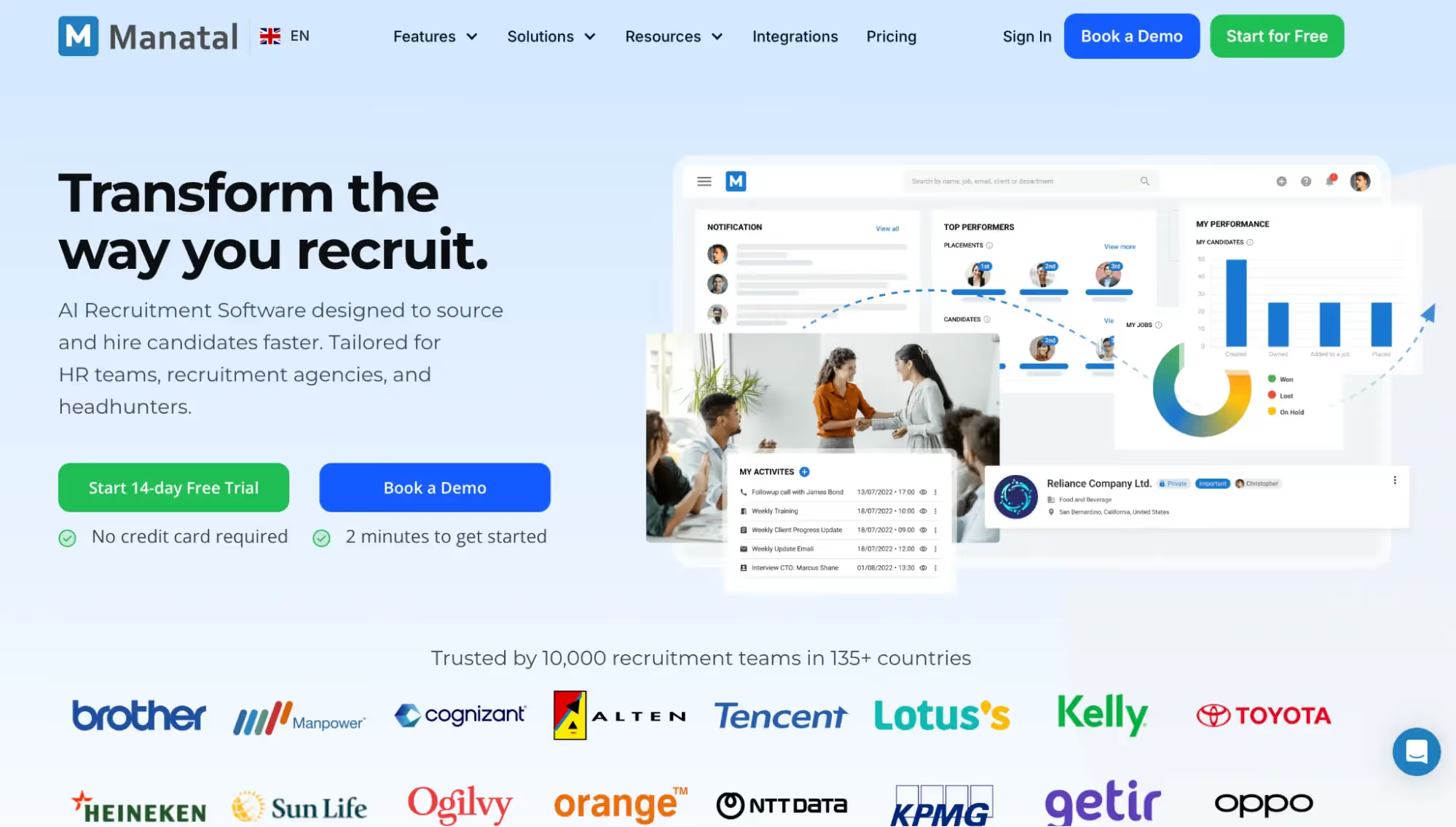
Manatal is a cost-effective ATS offering AI-based candidate scoring and pipeline management.
Key Features
- AI candidate scoring: Prioritizes applicants automatically.
- Visual pipelines: Simplifies tracking and movement.
- Social profile enrichment: Adds context to candidates.
- Collaboration features: Supports team-based hiring.
- ATS integrations: Connects with core HR tools.
Why It Stands Out
Manatal provides accessible AI functionality at a lower price point than most enterprise platforms.
Best Suited For
SMBs seeking affordable recruiting automation. Limited scalability and depth of automation for large frontline operations.
How to Choose the Right AI Recruiting Tool for Frontline Hiring
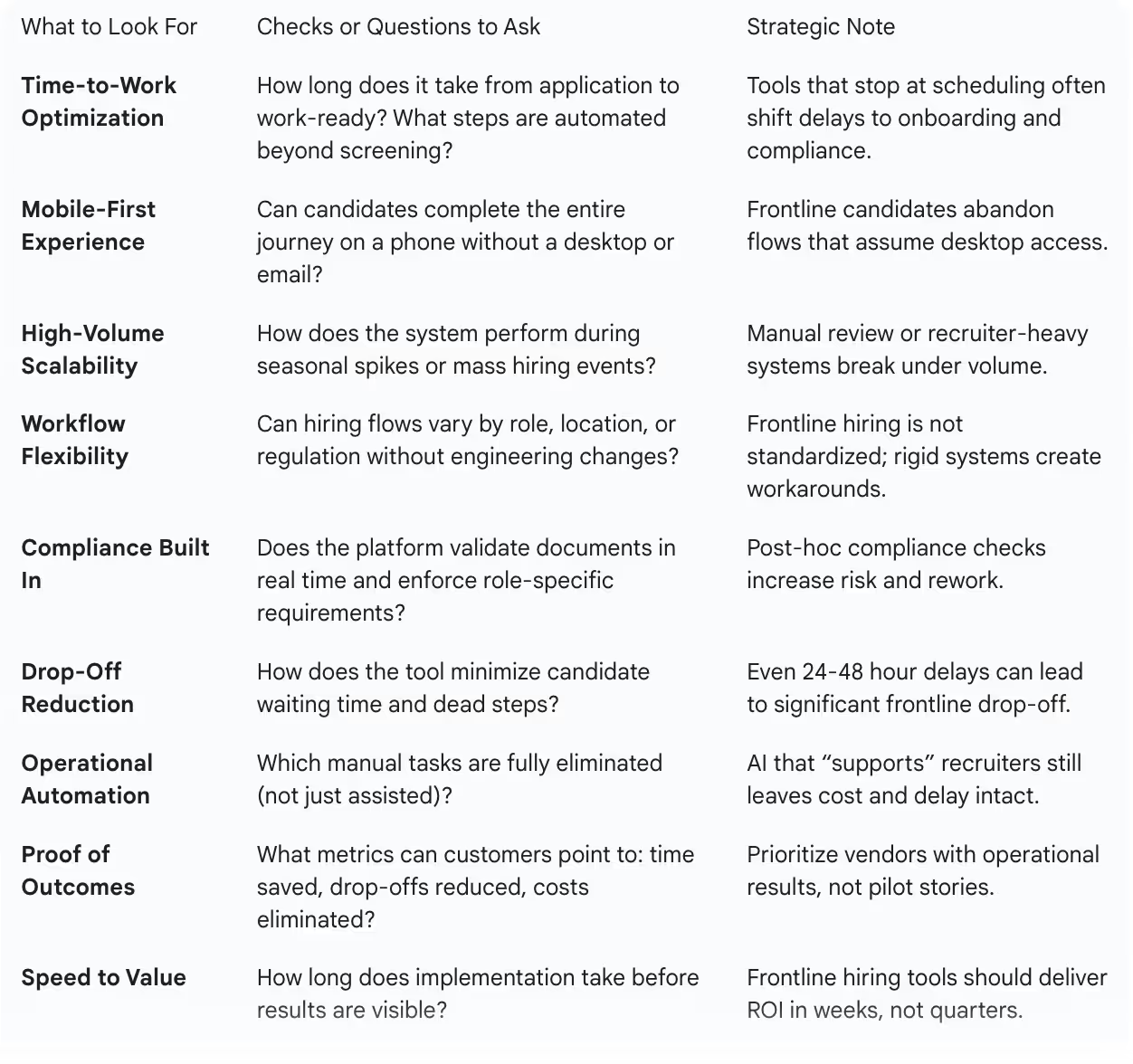
Most AI recruiting tools fail in frontline environments because they optimize for recruiters, not for candidates, speed, or operations. Use the criteria below to evaluate tools based on real frontline constraints, not feature lists.
Final Takeaway
Frontline hiring exposes the gaps in most AI recruiting tools. Speed, scale, and compliance don’t fail in theory; they fail in execution.
Tools built for white-collar recruiting struggle when faced with:
- Resume-free candidates
- Seasonal hiring spikes
- Role- and location-specific requirements
- High drop-off sensitivity
Firstwork stands out because it was built for these realities. It goes beyond screening and scheduling to automate the complete frontline hiring and onboarding lifecycle, delivering faster time-to-work, lower drop-offs, and measurable operational ROI.
If your organization hires frontline workers at scale and needs results, not pilots, this is where AI actually delivers. Book a Demo with Firstwork